How to Know Students Are Actually Doing the Work
You give students an assignment.
You wait for them to submit it.
Then you assess.
And you wonder:
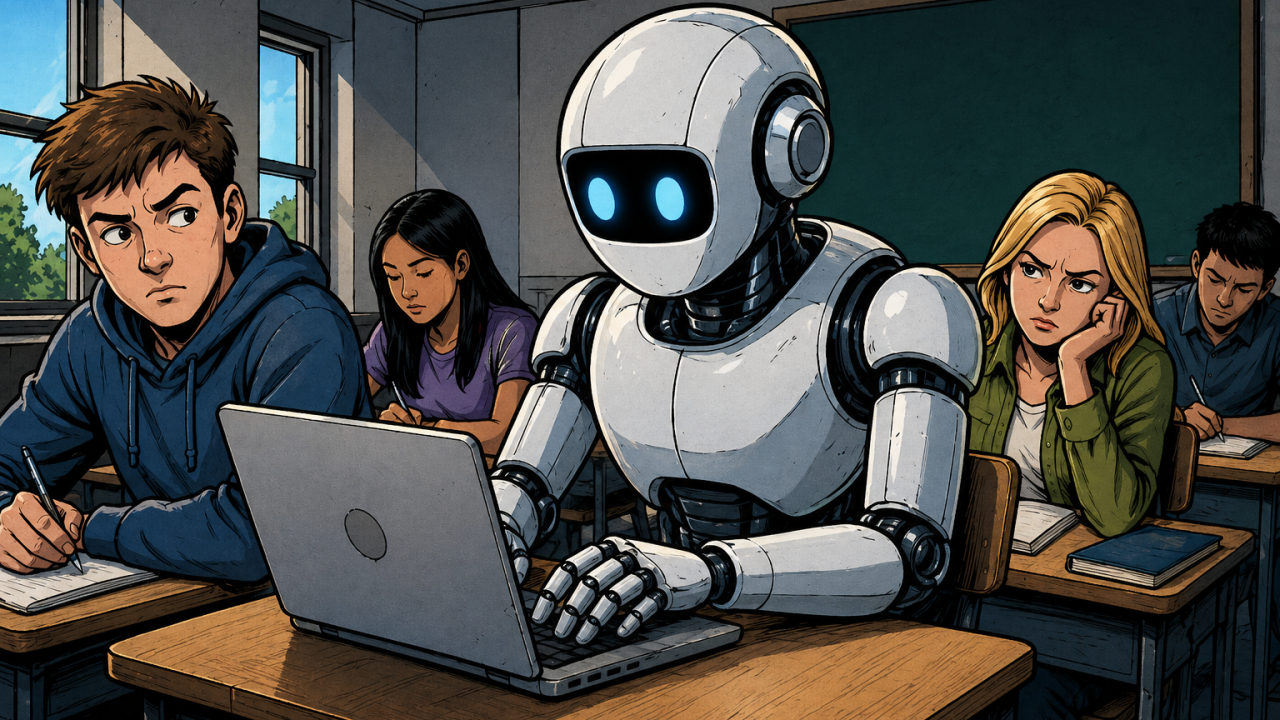
Did they follow instructions? How much effort did they actually put in? Did they use AI to do the work for them?
This is a growing challenge in education.
Years ago, I realized the problem often starts with assignment design.
If students can complete an assignment passively — or outsource most of the thinking — instructors are left guessing how much real effort happened.
So when I designed simulation games, I approached assessment differently.
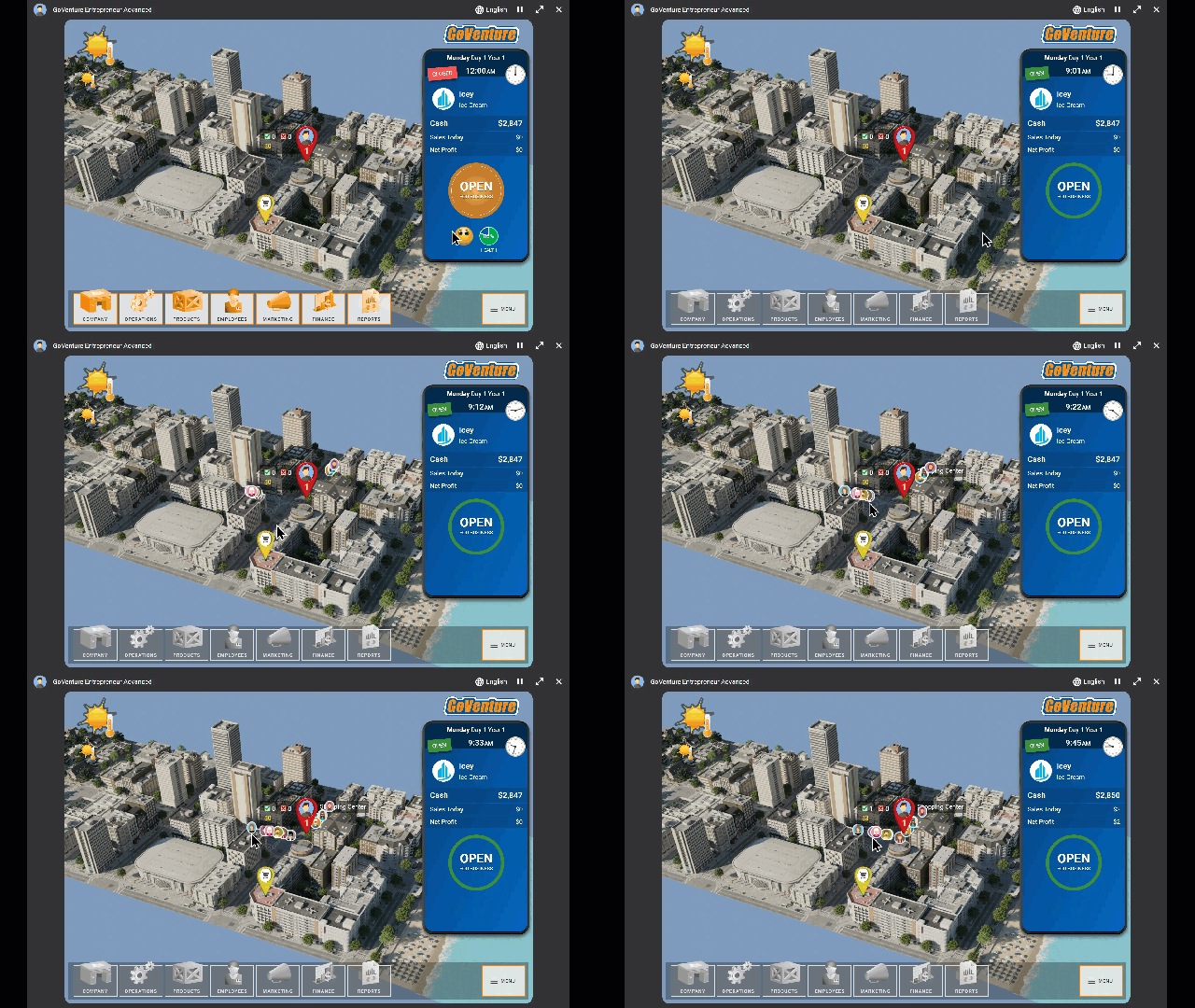
In one simulation, students run a business. They make ongoing decisions about pricing, inventory, hiring, finances, and more.
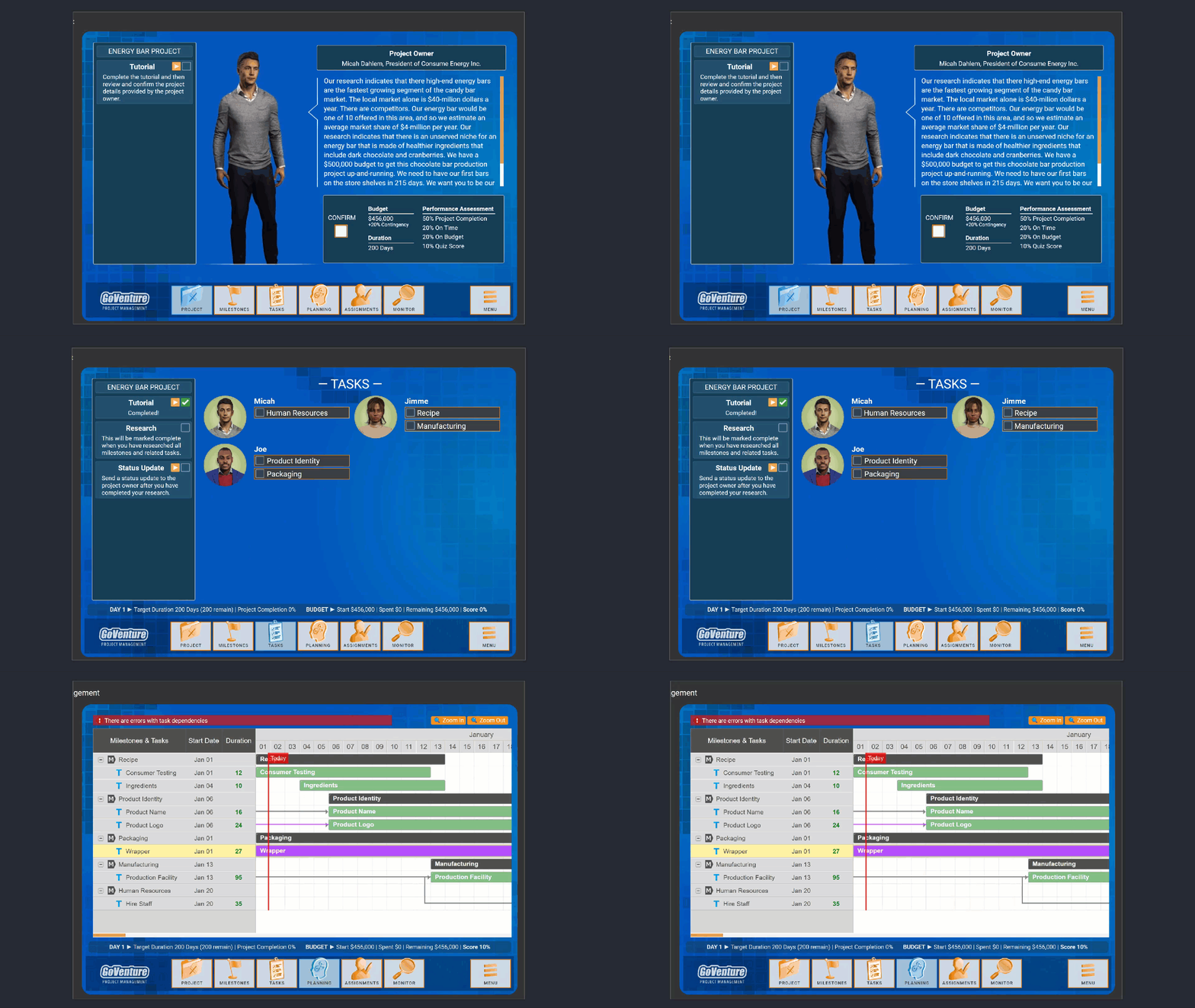
In another, they manage a project from start to finish — assigning tasks, managing timelines, and trying to stay on budget.
Participation
In both cases, students can’t simply submit a final document and claim they did the work.
They have to stay engaged throughout the experience.
They must read information, make decisions, respond to outcomes, and keep adapting.
Poor decisions create consequences. A business can run out of cash. A project can fall behind schedule.
That means completion itself demonstrates meaningful effort and reasonably good decision making.
Because of that, I often recommend assigning 50% to 70% of the grade to participation.
Skill
Then I separate out skill.
Did they perform well? Did they make strong decisions? Did they achieve better outcomes?
That usually accounts for the remaining 30% to 50%.
And if it’s a practice round? I often recommend grading entirely on participation so students can learn without unnecessary pressure.
Applying This Approach
This methodology goes beyond simulations.
Board games, role-playing activities, live projects, and other experiential assignments can also be designed to track both participation and performance.
In an AI-enabled world, assessment becomes much easier when students must actively participate throughout the learning experience — not just submit something at the end.
I'm Mathew Georghiou and I write about how games are transforming education and learning. I also share my experience as an entrepreneur inventing products and designing educational resources used by millions around the world. More about me at Georghiou.com